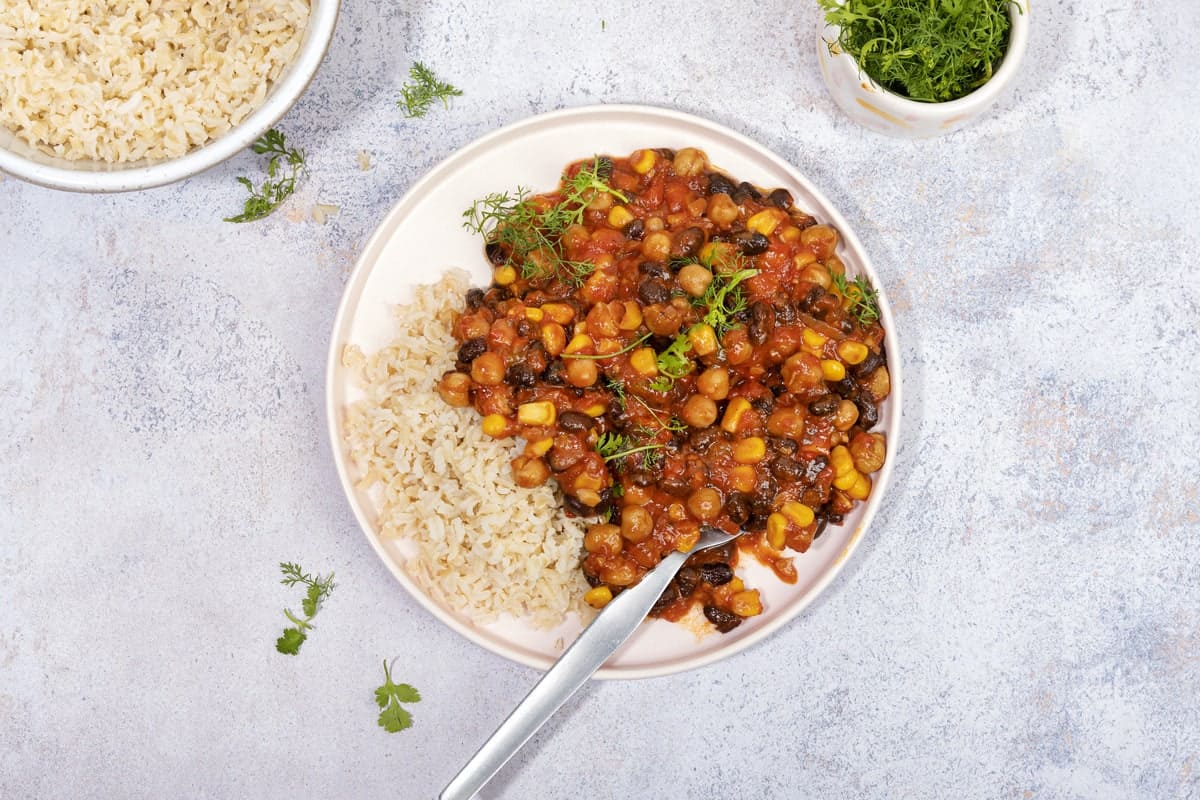
The culinary landscape of Mexico is a vibrant tapestry woven with rich flavors, aromatic spices, and wholesome ingredients. Among its many comforting dishes, the Mexican bean stew stands out as a true testament to the country's hearty and resourceful cooking traditions. More than just a simple bowl of beans, a well-crafted mexican bean stew is a symphony of textures and tastes, offering warmth, satisfaction, and incredible versatility. Whether you're seeking a robust main course, a nutritious plant-based option, or a comforting meal for a chilly evening, this stew delivers on all fronts.
Rooted in centuries of using legumes as a dietary staple, this stew has evolved into countless regional variations, each boasting its unique blend of spices and accompaniments. From the smoky depths of chipotle to the bright tang of lime, a mexican bean stew is a celebration of contrasting yet harmonious flavors. It's an adaptable dish that caters to various palates and dietary preferences, making it a beloved choice for families, food enthusiasts, and those looking to explore the authentic tastes of Mexico. Dive in with us as we explore the essential components, cooking techniques, and creative twists that make this humble dish so extraordinary.
The Heart and Soul of Mexican Bean Stew: Key Ingredients
At the core of every exceptional mexican bean stew are its carefully selected ingredients. Understanding these building blocks is the first step to creating a truly memorable dish. The beauty of this stew lies in its simplicity, relying on fresh produce and bold spices to create a complex flavor profile.
- Beans: The Foundation
- Pinto Beans: Often considered the quintessential bean for Mexican cuisine, pinto beans offer a creamy texture and earthy flavor that absorbs spices beautifully.
- Black Beans: With their slightly firmer texture and rich, deep flavor, black beans add another layer of complexity and visual appeal.
- Kidney Beans: Though less traditional, kidney beans can be used for their robust structure and hearty contribution, especially in a mixed bean stew.
- Tip: While canned beans are convenient, cooking dried beans from scratch (after soaking) yields a superior texture and flavor. For more detailed bean preparation tips, you might find mexican bean stew - Article 1 helpful.
- Aromatics and Vegetables: Building the Base
- Onion & Garlic: The indispensable duo, forming the aromatic foundation of almost any Mexican dish. Sautéing them until translucent unlocks their sweet and pungent notes.
- Bell Peppers: Red, green, or yellow bell peppers add sweetness, color, and a subtle crunch. Green bell peppers offer a more traditional, slightly bitter undertone.
- Tomatoes: Diced tomatoes (canned or fresh), crushed tomatoes, or even a touch of tomato paste provide acidity, sweetness, and body to the stew. They are crucial for creating a rich sauce.
- Chilies: The Essence of Mexican Flavor
- Fresh Chilies: Jalapeños or serranos can be finely diced for a fresh kick. Poblanos offer a milder, earthy flavor, perfect for roasting and adding depth.
- Dried Chilies: Ancho chilies (mild, smoky, fruity) and guajillo chilies (mild, fruity, tangy) are often rehydrated and blended into a paste, providing authentic depth without overwhelming heat.
- Chili Powder/Chipotle Powder: A blend of dried chilies and spices, or pure chipotle powder for a smoky heat, are excellent for convenience and consistent flavor.
- Spices: The Flavor Signature
- Cumin: Earthy and warm, cumin is non-negotiable for that authentic Mexican taste.
- Oregano: Mexican oregano has a distinct citrusy and earthy note, differing from Mediterranean oregano.
- Smoked Paprika: Adds a beautiful smokiness and rich color, complementing the chilies perfectly.
- Coriander: The ground seeds of cilantro, offering a mild, citrusy, and slightly sweet flavor.
- Broth: The Liquid Gold
- Vegetable broth is excellent for a vegetarian or vegan stew, while chicken broth can add another layer of richness if desired.
Crafting Your Perfect Mexican Bean Stew: A Step-by-Step Guide
Making a delicious mexican bean stew is an incredibly rewarding process, and while recipes vary, the fundamental steps remain consistent. This guide will walk you through the essential stages, ensuring a flavorful and comforting result every time.
- Preparation is Key: Begin by prepping all your vegetables. Dice onions, mince garlic, chop bell peppers, and if using dried chilies, rehydrate them in hot water and blend into a smooth paste. If using dried beans, ensure they are soaked overnight or quick-soaked.
- Build the Aromatic Base: In a large, heavy-bottomed pot or Dutch oven, heat a tablespoon or two of oil over medium heat. Add diced onions and cook until softened and translucent, about 5-7 minutes. Stir in the minced garlic and bell peppers, cooking for another 3-5 minutes until fragrant. This is where the magic begins, releasing essential flavors.
- Toast Spices and Chilies: Add your ground spices (cumin, chili powder, oregano, smoked paprika, coriander) to the pot. Stir constantly for about 30 seconds to a minute until fragrant. This toasting process deepens their flavor. If using chili paste from rehydrated dried chilies, add it now and cook for a few minutes, stirring frequently, to deepen its flavor and remove any raw taste.
- Introduce Tomatoes and Broth: Pour in the diced tomatoes (and tomato paste if using), stirring to combine. Let it simmer for a few minutes to allow the flavors to meld. Then, add your chosen broth. Scrape up any browned bits from the bottom of the pot, as these are packed with flavor.
- Add Beans and Simmer: Stir in your pre-cooked or canned beans (drained and rinsed). Bring the stew to a gentle simmer, then reduce the heat to low, cover partially, and let it cook for at least 30-45 minutes. For deeper flavor, an hour or more is even better. This slow simmer allows the flavors to truly marry and the beans to absorb the rich broth. If cooking from dried, unsoaked beans, you'll need significantly more liquid and cooking time (2-3 hours or more) until the beans are tender.
- Season and Finish: Taste the stew and adjust seasonings as needed. Add salt, black pepper, and perhaps a squeeze of fresh lime juice to brighten the flavors. A pinch of sugar can also balance acidity if desired. Consider stirring in fresh cilantro just before serving for a burst of freshness.
This methodical approach ensures that each layer of flavor is properly developed, resulting in a cohesive and satisfying mexican bean stew. For those who prefer a hands-off approach, this recipe adapts beautifully to slow cookers or Instant Pots, often requiring fewer liquid adjustments.
Beyond the Basics: Elevating Your Mexican Bean Stew
While a classic mexican bean stew is delicious in its own right, there's ample room for creativity and customization. Elevating your stew can mean adding different textures, proteins, or even unexpected flavor boosters. Think of your basic recipe as a canvas, ready for new strokes of culinary genius.
Protein Power-Ups
- Meaty Additions: For non-vegetarian versions, consider browning ground beef or turkey with the aromatics, or adding shredded chicken (rotisserie chicken works wonders for speed) towards the end of cooking. Cubed pork shoulder or beef chuck can also be slow-cooked with the stew for incredibly tender results, making it a truly hearty meal.
- Plant-Based Boosts: To keep it vegetarian or vegan, explore additions like diced sweet potatoes (which add natural sweetness and creaminess), corn (frozen or fresh), zucchini, or even mushrooms for an umami kick. Crumbled firm tofu or tempeh can also be browned and added for extra protein and texture.
Vegetable Enhancements
Don't stop at bell peppers! Incorporate other vegetables to boost nutrition and flavor:
- Spinach or Kale: Stir in a few handfuls during the last 10 minutes of cooking until wilted.
- Butternut Squash: Diced and added with the beans, it softens beautifully and adds sweetness.
- Corn: Fresh, frozen, or canned corn kernels provide sweetness and a pleasant pop of texture.
Flavor Boosters and Secret Ingredients
- Lime Juice & Fresh Cilantro: A squeeze of fresh lime juice at the end brightens all the flavors, while a generous sprinkle of fresh cilantro adds a fragrant, herbaceous finish. These are almost essential for an authentic Mexican profile.
- Adobo Sauce: A spoonful or two of the sauce from a can of chipotles in adobo can inject a deep, smoky, and spicy flavor.
- Chocolate or Cocoa Powder: A small square of unsweetened dark chocolate or a teaspoon of unsweetened cocoa powder might sound unusual, but it's a traditional Mexican mole ingredient that adds incredible depth and richness, balancing the acidity of tomatoes and chilies without making the stew taste overtly chocolatey.
- A Dash of Vinegar: Apple cider vinegar or red wine vinegar can also be used, similar to lime juice, to add a little brightness and cut through the richness.
Experimenting with these additions can transform your standard mexican bean stew into a signature dish tailored to your preferences. Remember to taste as you go and adjust seasonings to achieve your desired balance of flavors. The beauty of this stew is its flexibility; it's hard to go wrong!
Serving Suggestions and Pairings for Your Mexican Bean Stew
A comforting bowl of mexican bean stew is a meal in itself, but how you serve it and what you pair it with can elevate the entire dining experience. From simple garnishes to creative meal transformations, this versatile stew lends itself to many delicious possibilities.
Perfect Toppings and Garnishes
These additions not only enhance flavor but also add texture and visual appeal:
- Fresh Avocado: Diced or sliced, avocado adds a creamy, rich contrast to the hearty stew.
- Sour Cream or Greek Yogurt: A dollop on top provides a cooling, tangy counterpoint to the stew's spice and richness.
- Shredded Cheese: Cotija, Monterey Jack, or cheddar cheese melt beautifully into the warm stew.
- Fresh Cilantro: A sprinkle of chopped fresh cilantro is almost mandatory for its vibrant, herbaceous flavor.
- Pickled Red Onions: Their tangy crunch offers a fantastic contrast to the stew's savory depth.
- Tortilla Strips or Crumbled Tortilla Chips: For a satisfying crunch and added texture.
- Hot Sauce: For those who love extra heat, a drizzle of your favorite hot sauce is a must.
Accompaniments and Sides
While the stew is substantial on its own, a few simple sides can complete the meal:
- Warm Tortillas: Corn or flour tortillas are perfect for scooping up every last bit of stew.
- Steamed Rice: White or brown rice can be served alongside or as a bed for the stew.
- Cornbread: A warm slice of cornbread is a classic pairing, offering a slightly sweet and crumbly texture.
- Simple Green Salad: A light, fresh salad with a lime vinaigrette can balance the richness of the stew.
Creative Meal Transformations
Don't limit your mexican bean stew to just a bowl! It's fantastic as a base for other meals:
- Burrito or Taco Filling: Spoon the stew into warm tortillas with your favorite toppings.
- Enchilada Sauce/Filling: Thicken the stew slightly, then use it as a filling for enchiladas, topping with more sauce and cheese before baking.
- Loaded Baked Potatoes: Ladle the stew over a hot baked potato and add your favorite garnishes.
- Quesadillas: Spread a thin layer between two tortillas with cheese and grill for a hearty quesadilla.
Beverage Pairings
- Mexican Lager: A crisp, light Mexican beer like Modelo or Pacifico pairs wonderfully with the robust flavors.
- Agua Fresca: Refreshing fruit-based drinks like horchata, jamaica (hibiscus), or tamarind agua fresca offer a sweet and cooling contrast.
- Margaritas: For a more festive occasion, a classic margarita is always a good choice.
And remember, a batch of mexican bean stew often tastes even better the next day, making it an excellent candidate for meal prepping. For even more gourmet twists or advanced techniques to perfect your stew, be sure to check out mexican bean stew - Article 3.
The journey of creating and savoring a delicious mexican bean stew is one of warmth, flavor, and culinary discovery. From selecting the freshest beans and aromatics to carefully balancing the spices and chilies, each step contributes to a dish that is both deeply satisfying and incredibly versatile. Whether you prefer a robust, meaty rendition or a vibrant, plant-based masterpiece, this stew invites experimentation and personal touches. It's a testament to the comforting power of simple ingredients transformed into something extraordinary, a dish that nourishes the body and soul. So gather your ingredients, embrace the rich culinary traditions of Mexico, and enjoy the comforting embrace of your homemade bean stew.
